A Guide to Selecting Organic Mattresses from Top Brands
In the quiet of the bedroom, the mattress is the stage where rest, health, and daily mood converge. As consumers demand cleaner air, fewer chemicals, and better sleep, organic mattresses have moved from niche to necessity. This editorial guide explores how to choose a high-quality organic mattress by comparing leading brands, materials, and certifications. We break down what matters in comfort, durability, and health-friendly options, and we spotlight notable names and products that exemplify the best in the category.
Why choose an organic mattress?
Choosing an organic mattress is not just about avoiding synthetic fragrances or flame retardants; it’s about embracing materials that are grown, processed, and finished with attention to ecological impact and human health. Organic certifications typically cover the core components: latex, wool, cotton, and sometimes steel spring systems with minimal chemical treatments. For many sleepers, organic options translate into improved breathability, fewer irritants, and peace of mind that the bed aligns with a wellness mindset.
When you step into a showroom or browse online, look for brands that are transparent about sourcing, processing, and testing. Certifications and test results matter because they offer independent verification beyond marketing claims. The right mattress should not only feel comfortable but also pass certifications that validate organic content and safety standards.
Key figures shaping sleep, design, and wellness
Hans-Christian Ødegaard (Early 20th Century)
A pioneer in ergonomic research during a time when factory-made beds dominated households, Ødegaard championed standardized firmness guidelines and body-hugging support. His work laid the groundwork for modern mattress testing protocols, long before the term “sleep science” became mainstream.
Impact: Introduced systematic comfort tests that informed later organic offerings about core support and spinal alignment.
Dr. Elena Park, Sleep Psychologist (Mid-2000s–Present)
A leading voice in sleep health, Dr. Park blends cognitive-behavioral insights with sleep environment research. Her work underscores how climate, materials, and bedding choices influence circadian rhythms and comfort, guiding consumers toward calmer, more restorative nights.
Impact: Elevated consumer awareness of how textiles and temperature stabilization contribute to sleep quality.
Dr. Maya Chen, Material Scientist (Late 2010s–Present)
Dr. Chen advances understanding of natural latex, wool, and organic cotton through lifecycle analyses and performance testing. Her research informs brands about durability, breathability, and moisture management—essential qualities for truly organic sleep surfaces.
Impact: Helps consumers interpret certifications and material labels with greater confidence.
Spotlight: Top organic mattress brands and a featured piece
When exploring organic mattresses, consider brands that publish clear material specs, show independent certifications, and offer transparent warranty terms. Below is a curated look at a standout product that embodies craftsmanship and organic integrity, followed by how to evaluate other options.
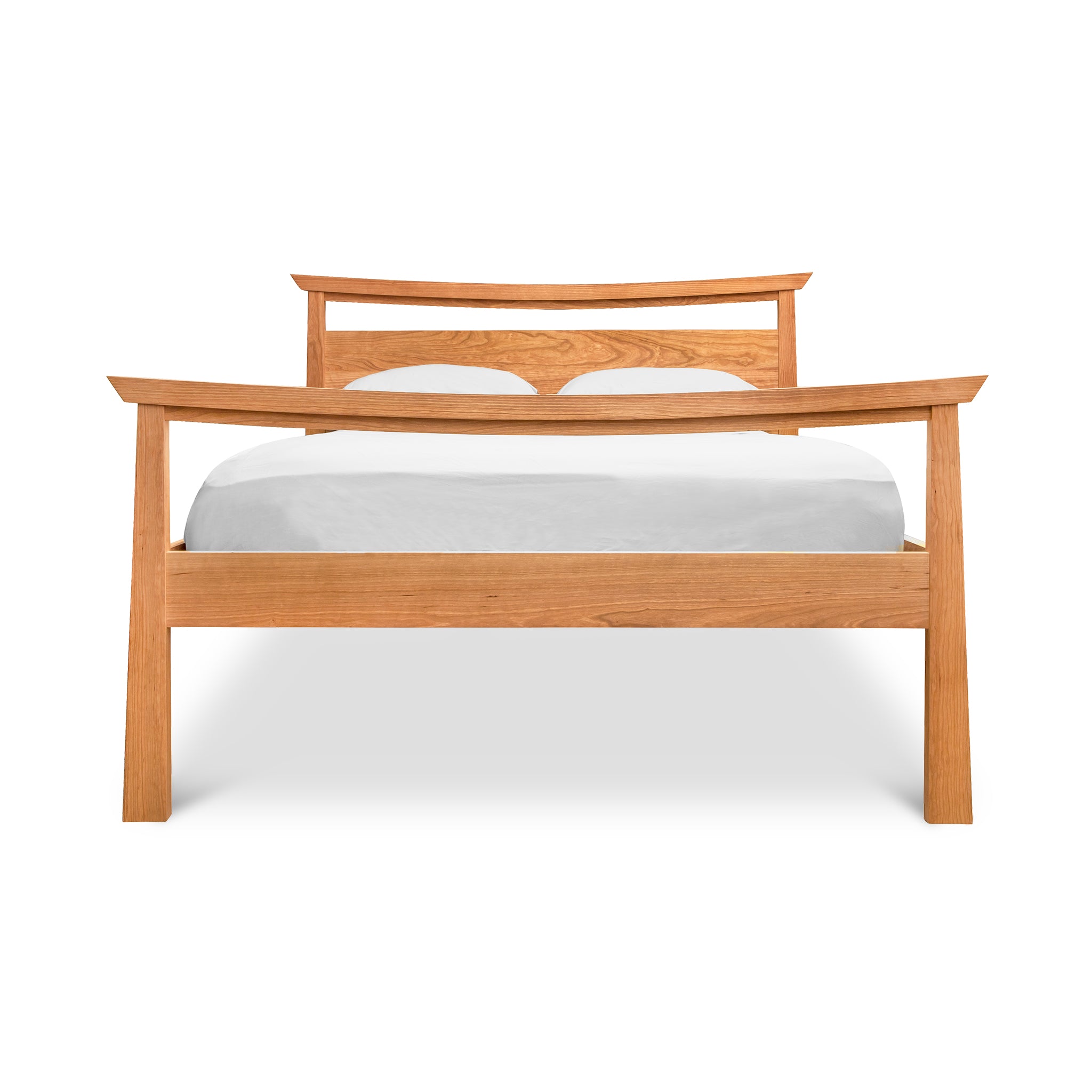
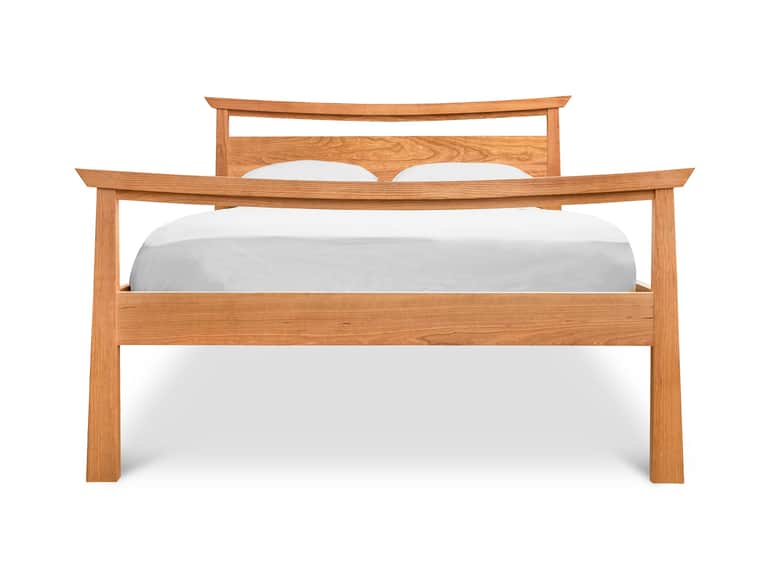
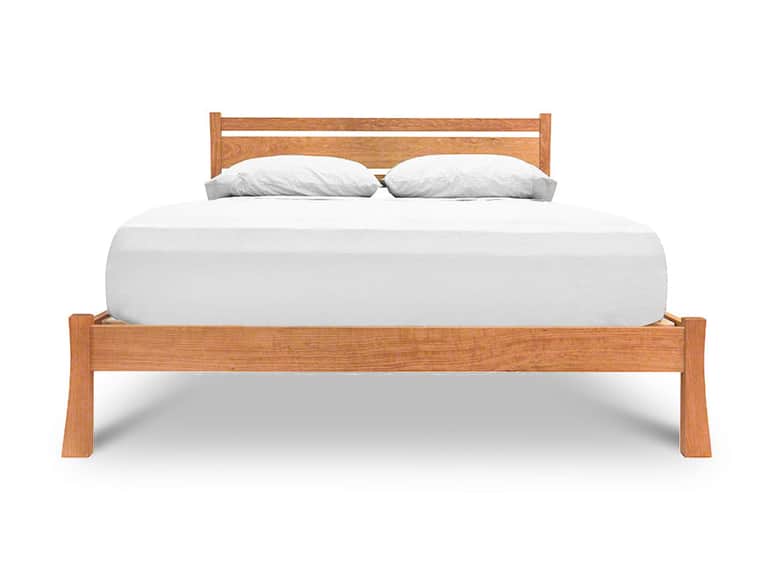
Cherry Moon Pagoda Bed by Vermont Furniture Designs
A centerpiece that blends Asian-inspired silhouette with solid natural cherry. While not a mattress itself, a serene, quality bed frame sets the stage for an organic sleep setup—one that respects materials and clean aesthetics, a philosophy shared by organic mattress brands that prioritize healthy sleep ecosystems.
Price: $3,850.00
Notes: The Pagoda Bed showcases how durable, toxin-free finishes and honest wood sourcing contribute to a sleep environment that feels calm and grounded—an important companion to an organic mattress choice.
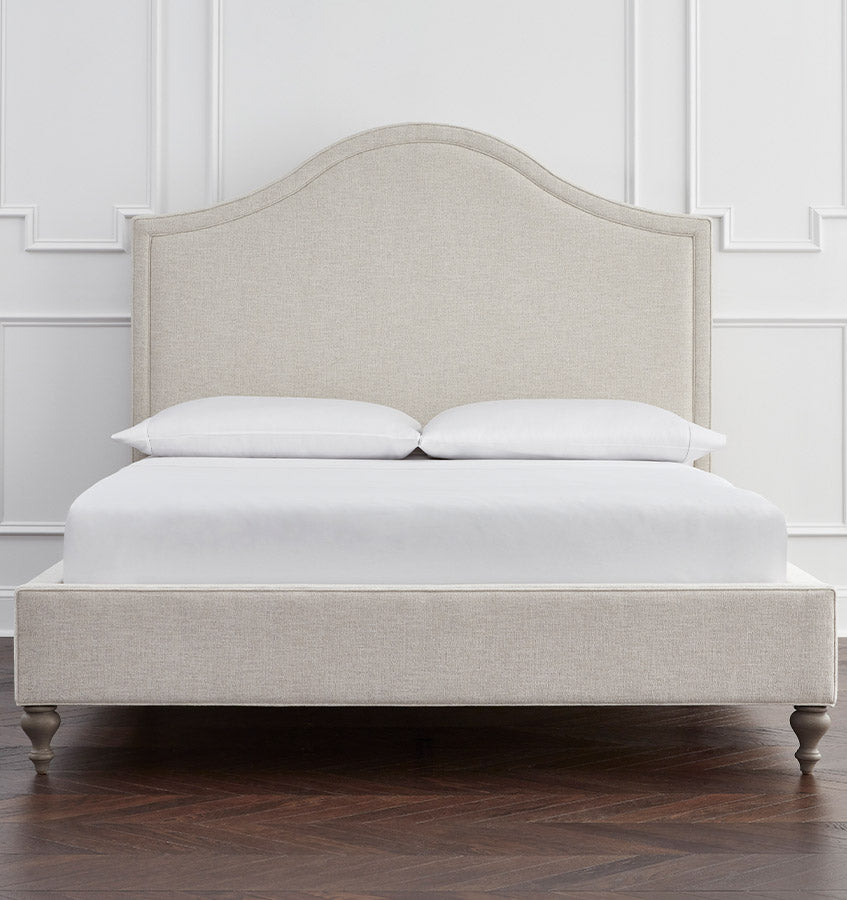
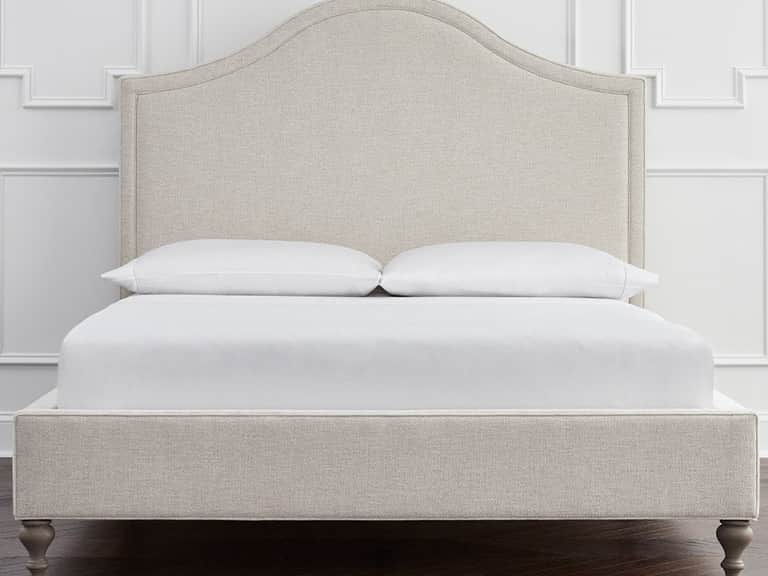
Charlotte Upholstered Bed (Made to order, USA)
A testament to durable craftsmanship with stain-resistant finishes, providing a clean foundation for organic bedding ensembles. When pairing with organic mattresses, consider low-VOC upholstery and frames that minimize off-gassing alongside the mattress choice.
Price: $5,495.00
How to evaluate an organic mattress: materials, certifications, and peace of mind
Organic mattresses typically rely on a few core materials, each with benefits for comfort and health. Natural latex offers buoyant support with resilience. Organic cotton and wool improve breathability and temperature regulation, while steel springs can be used in a frame that supports long-term durability with fewer chemical additives. Certifications provide a trusted framework for understanding what is truly organic.
- Global Organic Textile Standard (GOTS) often applies to textiles like cotton used in covers and some components, ensuring organic fiber processing standards.
- Global Organic Latex Standard (GOLS) ensures organic latex content of latex layers in mattresses, with third-party verification.
- CertiPUR-US focuses on foam emissions and content, helping consumers identify low-emission foam components when present.
- OEKO-TEX Standard 100 tests for harmful substances in textiles, providing an additional safety benchmark for covers and fabrics.
Beyond certifications, read the label for material composition, the source of latex (natural vs synthetic), lamination processes, and any flame-retardant treatments. Transparent brands will disclose the percentage of organic content, the origin of raw materials, and the warranty terms that back up the product’s durability.
Quick-start tips for evaluating mattresses
- Test firmness in person: Lie on your back, side, and stomach to feel how the mattress supports your spine in each position. Organic materials often add a distinctive feel—slightly springy latex or the plushness of wool insulation—that affects perceived firmness.
- Check bounce and rebound: If you sleep with a partner or share a bed, consider motion transfer and the responsiveness of the top layer. Latex tends to offer robust responsiveness, while wool and cotton layers influence humidity and temperature management.
- Assess temperature regulation: Organic wool and cotton layers naturally wick moisture and breathe well, often leading to a cooler sleep in warmer months and a pleasantly warm feel in cooler months.
- Review certifications and warranty: Look for explicit disclosures of organic content and independent test results. A solid warranty demonstrates confidence in durability and long-term performance.
- Consider the overall sleep ecosystem: The mattress is one piece of a larger set. Pair it with an organic foundation or platform and bedding like organic cotton sheets to complete a healthier sleep environment.
Seasonal tips: maintaining your organic sleep surface
In summer, focus on breathable covers and temperature regulation. In winter, layer with breathable wool blankets and consider lighter latex profiles or comfort layers to preserve a comfortable core temperature.
- Air out the mattress periodically as recommended by the brand to reduce any off-gassing.
- Use a damp cloth for spot cleaning and a mild detergent if necessary; avoid harsh chemicals near your sleeping surface.
- Rotate or flip the mattress as advised by the manufacturer to promote uniform wear.
Putting it all together: your organic sleep sanctuary
Choosing an organic mattress is a meaningful step toward a healthier bedroom, but remember that an optimal sleep environment is a blend of thoughtful furniture, breathable textiles, and habits that support circadian rhythm. Start with a trusted mattress that aligns with your comfort preferences and eco-values, then build out your sleep sanctuary with organic bedding, a calm color palette, and low-toxin furnishings.
If you’re ready to explore concrete options, consider starting with a standout product from our spotlight: the Cherry Moon Pagoda Bed by Vermont Furniture Designs, paired with an organic mattress that features natural latex, organic cotton, and wool components. This pairing creates a serene aesthetic and a health-forward sleep platform that can anchor your entire bedroom refresh.
Meta keywords: organic mattresses, natural latex mattress, certifications, bedding brands, sleep health