Sleep Health Essentials: Maximizing Rest with Evidence-Based Habits
A concise, editorial guide to practical sleep health improvements grounded in science. From calming pre-sleep routines to room conditions and lifestyle tweaks, this article blends expert insight with relatable storytelling, spotlighting timeless wisdom from notable figures across eras.
Why Sleep Health Matters
Quality sleep is a foundation for cognitive performance, emotional regulation, and physical recovery. In today’s fast-paced world, sleep often gets deprioritized, but evidence-based habits can recalibrate our rhythms. Think of sleep as a nightly reset button for the brain and body, a chance to consolidate memories, repair tissues, and regulate metabolism.
This article isn’t about quick fixes. It’s about sustainable, science-backed adjustments you can weave into daily life—habits that stack, layer by layer, toward deeper, more restorative rest.
Three Pillars of Better Sleep
Bedtime routines that cue the body for rest
Optimized sleep environment for temperature, light, noise, and comfort
Evidence-based lifestyle adjustments that support sleep without medications
The following sections explore each pillar in depth, peppered with insights from three influential figures across time who understood the value of rest in their work and in life.
1) Building a Calming Pre-Sleep Routine
Wind-down practices, consistent bedtimes, and activities that cue the body for sleep are more than rituals—they are neurological signals telling the brain that it’s time to transition from wakefulness to rest. A predictable sequence helps regulate circadian rhythms, reduces hyperarousal, and primes melatonin production.
Key components include a fixed bedtime, a 20-60 minute wind-down window, and a curated set of transitions that minimize stimulating exposure. Gentle stretching, light reading, or a short mindfulness exercise can shift the body toward relaxation. The aim is to create a sense of safety and calm, a private sanctuary where worries loose their grip.
Practical tips to try tonight:
Set a consistent bedtime and wake time, even on weekends.
Dim lights at least 60 minutes before bed; consider warm, amber lighting to mimic sunset.
Limit screen exposure and use blue-light filters if you must look at devices.
Engage in a short mindfulness or breathing exercise (5-10 minutes) to quiet racing thoughts.
Keep a simple journaling ritual to offload concerns from your mind.
2) Optimizing the Sleep Environment
The bedroom should be a sanctuary for rest, not a hub for activity. The right layout, lighting, temperature, and soundscape can extend the duration of deep sleep and improve sleep efficiency.
Lighting and temperature are especially influential. A cool bedroom—typically around 60-67°F (15-19°C)—supports the body's natural drop in core temperature, which is associated with deeper sleep stages. Light should be soft and strategically placed; blackout curtains or eye masks can help, especially in urban environments or when natural darkness is incomplete.
Sound matters too. For some, a quiet room is essential; for others, a consistent, soft ambient sound can mask disruptive noises. White noise machines, fans, or nature recordings can be allies, but abrupt or highly dynamic sounds should be minimized.
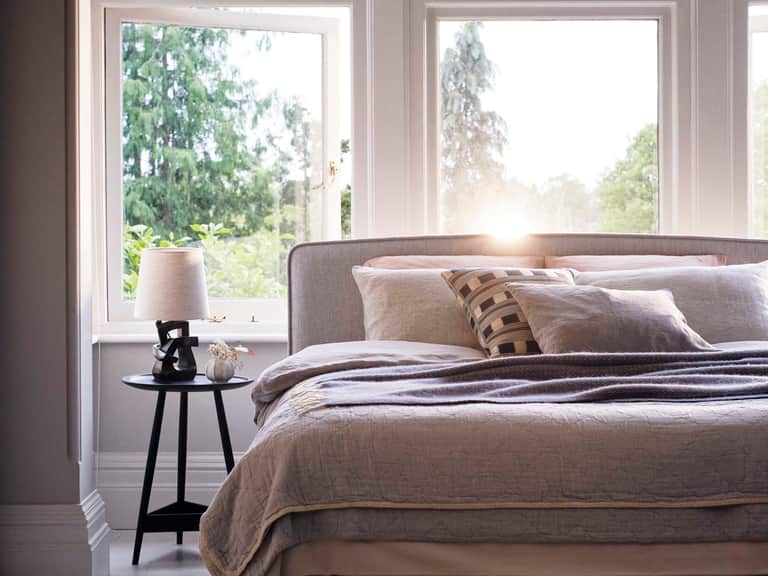
Furniture and textiles also play a role. Breathable bedding, clean and supportive surfaces, and a clutter-free space reduce distractions and foster a sense of calm. If you share a bed, consider modular positioning or adjustable bases to tailor comfort without disturbing a partner.
Suggestions for environmental tweaks include:
Invest in blackout curtains or a sleep mask to block stray light.
Set your thermostat to a cool but comfortable range; use a fan or AC to maintain consistency.
Choose bedding with breathable fabrics like natural cotton or linen and consider temperature-regulating layers.
Introduce a quiet, steady soundscape if it helps you stay asleep through disturbances.
3) Evidence-Based Lifestyle Adjustments
Daily activity, caffeine timing, meals, and stress management are critical levers for sleep quality. While some sleep challenges require clinical intervention, many people experience meaningful improvements by adjusting daily routines and mindful habits.
Exercise is a robust promoter of good sleep, though timing matters. Moderate activity during the day is beneficial, while vigorous workouts late in the evening can temporarily raise core temperature and adrenaline levels. If evenings are the only window for workouts, aim for at least a few hours before bed.
Caffeine and alcohol also influence sleep architecture. Caffeine can linger for many hours; spacing caffeine intake earlier in the day is wise for sensitive individuals. Alcohol may help with sleep onset but often fragments sleep in the second half of the night. Moderation and timing are key.
Meal timing and digestion can impact sleep, too. Heavy meals late at night can cause discomfort and disrupt sleep. A light, balanced snack closer to bedtime can prevent hunger-related awakenings without triggering indigestion.
Stress management acts as a powerful sleep enhancer. Short daily practices—such as diaphragmatic breathing, progressive muscle relaxation, or brief guided meditation—can reduce physiologic arousal and improve sleep continuity.
In practical terms, here are daily routines to experiment with:
Schedule bright light exposure in the morning to reinforce daytime cues.
Time caffeine intake to end at least 6-8 hours before bedtime.
Finish meals 2-3 hours before bed; if hungry, choose a light, sleep-friendly snack.
Engage in a 10-minute wind-down routine before bed to signal sleep readiness.
Practice a short mindfulness exercise to reduce rumination.
Three Key Figures Who Champion Sleep Hygiene (Across Time)
Hippocrates (c. 460–370 BCE)
Often called the father of modern medicine, Hippocrates emphasized balance and moderation in lifestyle. While not speaking in contemporary sleep science terms, his holistic approach to daily rhythms and rest laid groundwork for the idea that the body thrives on consistent, harmonious patterns. His advocacy for routine and natural living resonates with today’s sleep hygiene practices—consistency, regular meals, and calm routines as foundations of health.
Hypnos and Herodotus (Ancient World)
In ancient storytelling, sleep was often framed as a gateway to healing and wisdom. Hypnos, the personification of sleep in Greek myth, reminds us that rest can be a sacred act of renewal. Herodotus chronicled daily life and rituals that reflect how cultures organized rest within their environment. Together, they hint at a timeless truth: sleep is not a luxury but a catalyst for clarity, memory, and resilience.
Louis Pasteur (1822–1895)
A pioneer of germ theory, Pasteur’s insistence on careful experimentation and observation parallels modern evidence-based sleep science. His meticulous approach to understanding biological processes mirrors how researchers study circadian rhythms, sleep stages, and the effects of caffeine, light, and temperature on rest. Pasteur’s legacy encourages readers to adopt a curious, data-driven mindset when tweaking sleep habits.
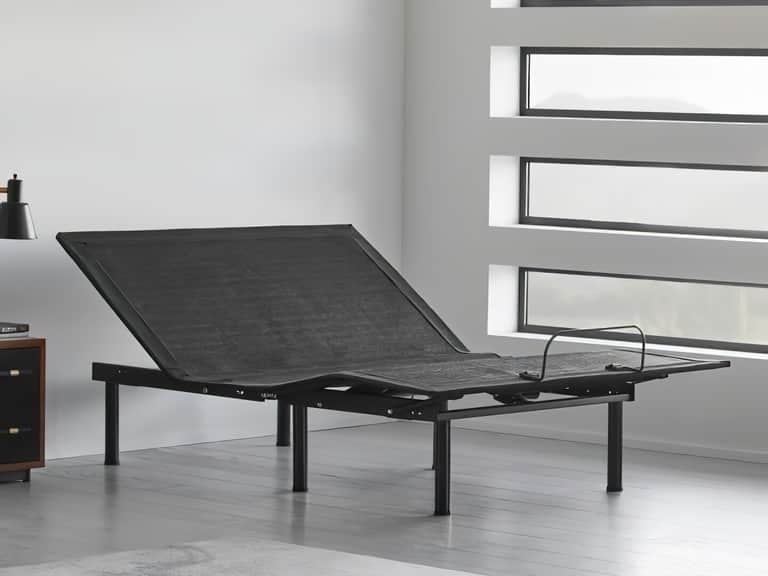
Spotlight Product: Malouf E255 Adjustable Bed Base
The Malouf E255 Adjustable Bed Base embodies modern sleep technology with a simple, elegant interface. With independent head and foot incline, programmable positions, and a responsive wireless remote, it lets you tailor comfort for reading, relaxing, or sleeping. Its anti-snore setting and zero gravity preset offer practical benefits for better rest and reduced nighttime disruption, making it a standout choice for those seeking a personalized sleep environment.
Key features to know:
Independent head and foot incline
Zero gravity and anti-snore presets
Wireless remote with programmable positions
750-pound lift capacity and foldable design
10-year warranty for lasting peace of mind
Images are representative product visuals.
Putting It All Together: A Simple, Actionable Plan
To transform sleep quality, adopt a phased approach. Start with a reliable bedtime and wind-down routine, then optimize the room environment, and finally adjust daily habits. You don’t need to overhaul your life in a single weekend; small, consistent changes accumulate into meaningful gains.
Choose a fixed bedtime for two weeks and monitor how you feel waking up, noting daytime energy and mood changes.
Experiment with bedroom adjustments: dim lighting, cooler temperature, and a comfortable duvet or blanket set aligned to seasonal needs.
Incorporate a brief pre-sleep wind-down (breathing or meditation) and limit late-evening caffeine or heavy meals.
Remember, sleep health is a holistic pursuit. It’s not just about turning in early; it’s about creating a sustainable ecosystem for rest that honors your body’s needs, supports your daily life, and makes you feel your best.
Transform your sleep experience with the Malouf E255 Adjustable Bed. Effortlessly find your perfect position for relaxation, reading, or watching TV—all at the touch of a button. Enjoy better sleep with anti-snore settings and the soothing zero-gravity feature.
Experience balanced support and soft comfort with tailored firmness options, hand-tufted durability, breathable design, and easy turning. Enjoy long-lasting craftsmanship and luxury feel, all with effortless edge-to-edge comfort.
Transform your bedroom with the stylish emBrace™ bed frame! Its sturdy, tool-free design supports over 2000 pounds, ensuring your mattress stays secure while adding elegance. Choose from four colors to perfectly match your decor and enjoy lasting comfort.