Sleep Health Essentials: Practical Steps for a Better Night’s Rest
This article explores foundational sleep health concepts—curating a calming bedtime routine, optimizing your sleep environment, and aligning your lifestyle with science-backed habits. Built for busy adults seeking real, actionable improvements, this guide blends behavioral strategies with design ideas to cultivate a bedroom that supports restorative sleep.
Why Sleep Health Matters
Quality sleep influences every facet of daily life—from mood and cognitive performance to immune function and long-term health. In a world that prizes wakeful productivity, the irony is that our best work often arrives after a night of deep, uninterrupted rest. Sleep health isn’t a luxury; it’s a foundation for thriving at home, work, and play.
Researchers emphasize that consistency is as critical as duration. In practice, this means aiming for a regular sleep window, even on weekends, to regulate your circadian rhythm. A stable schedule helps your body anticipate rest, making it easier to fall asleep and stay asleep. The next sections translate these findings into everyday steps you can implement tonight.
1) Establish a Consistent Sleep Schedule
Consistency anchors your sleep quality. Start by choosing a target bedtime and wake time that align with your natural rhythm and commitments. If you’re a night owl or have shift work, gradual adjustments toward a more stable window can yield meaningful gains without sacrificing your responsibilities.
- Set a firm wake time and commit to it, even on weekends.
- Limit naps to 20–30 minutes and avoid late-afternoon snoozes if they disrupt nighttime sleep.
- Gradually shift your schedule by 15 minutes every few days until you reach your goal.
Beyond timing, quality matters. A ritualized wind-down signals your brain that sleep is approaching. This is where the next sections—routine and environment—intersect to create a powerful, holistic sleep strategy.
2) Craft a Calming Bedtime Routine
Your pre-sleep routine should quiet the mind and prepare the body for rest. Short, gentle practices can be surprisingly effective at reducing physiological arousal and promoting sleep onset.
- Dim the lights at least 60 minutes before bed to cue melatonin production.
- Engage in light, non-stimulating activities such as reading a book, gentle stretching, or journaling.
- Practice slow, diaphragmatic breathing or a brief mindfulness exercise to lower cortisol and heart rate.
- Limit caffeine and heavy meals late in the day; consider a small, sleep-friendly snack if hunger arises after dinner.
3) Design a Sleep-Friendly Bedroom Environment
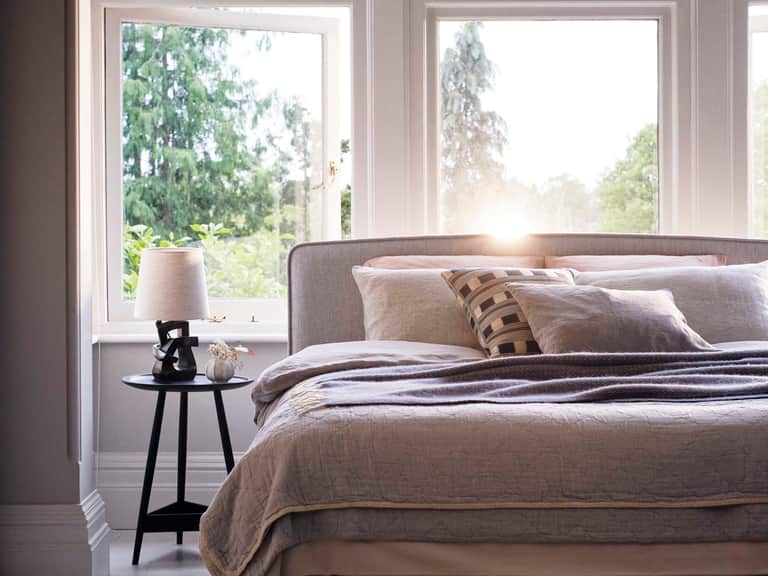
Your surroundings can either invite rest or provoke alertness. A calm, comfortable space supports uninterrupted sleep, while distractions can undermine it. Here are practical design strategies that align with both wellness science and modern lifestyle needs.
- Temperature: Aim for a bedroom temperature around 65°F (18°C). A cooler environment supports sleep onset and sleep quality for most people.
- Light: Use blackout curtains or a sleep mask to block ambient light. Light exposure at night suppresses melatonin production and can fragment sleep.
- Sound: If you’re sensitive to noise, consider white noise or soft ambient sounds to mask disruptions. Earplugs are another option for light sleepers.
- Mattress and pillow support: Invest in a bed setup that aligns with your body’s needs. For many, an adjustable bed base can offer personalized comfort and relief from pressure points while aiding circulation.
- Breathable textiles: Choose natural fabrics like cotton or TENCEL™ for bedding, which help regulate temperature and wick moisture, contributing to a comfortable night.
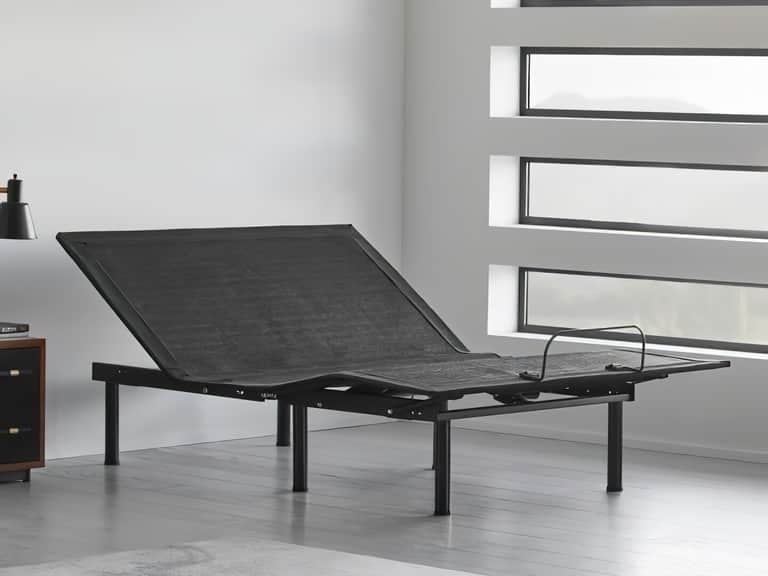
To illustrate how a thoughtful sleep environment translates into real products, consider the Malouf E255 Adjustable Bed Base. With independent head and foot incline, programmable positions, and a backlit wireless remote, it offers tailored comfort for reading, relaxing, and sleeping. It’s a practical example of how design and technology can support healthier sleep without sacrificing style.
Product highlight: Malouf E255 Adjustable Bed Base — features include independent head and foot lift, multiple presets, anti-snore and zero gravity modes, and a sturdy 750-pound lift capacity. It’s foldable for easy storage and ships with a 10-year warranty.
4) Lifestyle Tweaks That Help Sleep Quality
Small changes across your day can compound into better sleep. The following adjustments are supported by sleep science and have broad applicability for busy adults.
- Limit caffeine after early afternoon; avoid energy drinks late in the day.
- Reduce screen time in the hour before bed. The blue light from devices can delay melatonin production.
- Incorporate light physical activity into your daily routine, which can improve sleep depth without keeping you awake.
- Mindful transitions: use a brief 5–10 minute mindfulness practice to decompress before sleep.
5) Sleep Disorders and When to Seek Help
Many people experience sleep disturbances that respond to behavioral changes, environmental tweaks, or medical guidance. Common concerns include insomnia, sleep apnea, restless legs syndrome, and circadian rhythm disorders. If sleep problems persist for several weeks despite consistent routines and a sleep-conducive environment, consult a healthcare professional or sleep specialist. Early assessment can prevent long-term consequences and tailor treatment to your needs.
6) Sleep Health and Modern Wellness: A Cultural Lens
Sleep health intersects with broader wellness trends, including mindfulness, ergonomic work setups, and sustainable living. The shift toward healthier sleep aligns with a lifestyle that values rest as essential to vitality, rather than a passive afterthought. This cultural moment celebrates the bedroom as a sanctuary—an intentional space designed for recovery, restoration, and renewed energy.
Three Notable Figures Across Time Who Shaped Our Understanding of Rest
Hypnos and Morpheus (Ancient Mythology)
In ancient stories, Hypnos personified sleep and Morpheus the dreams of mortals. Though mythic, these figures symbolize humanity’s earliest attempt to understand sleep’s mystery. Their tales remind us that rest has always been a central, sacred part of human life, shaping culture, art, and ritual.
Alfred Adler (20th Century)
Psychologist Alfred Adler emphasized holistic well-being and life goals, including the role of sleep in resilience and mood regulation. His work reminds us that healthy sleep supports emotional balance and productive living—an idea that underpins modern sleep hygiene guidance.
Dr. Matthew Walker (21st Century)
A leading sleep scientist, Dr. Walker has popularized the science of sleep with accessible explanations of circadian neuroscience and the consequences of sleep deprivation. His work informs practical steps like maintaining regular bedtimes and creating sleep-supportive environments, reinforcing the ideas in this article.
Product Spotlight: A Practical Sleep Enhancement
Malouf E255 Adjustable Bed Base
Designed for modern bedrooms, the Malouf E255 Adjustable Bed Base offers independent head and foot incline, multiple presets, and a wireless remote. It supports anti-snore functionality and a zero-gravity mode to help you find your optimal sleep position. This base is foldable for easy storage and compatible with a variety of bed frames.
Key features: Independent head/foot lift, multiple presets, anti-snore, zero gravity, wireless remote, 750 lb capacity.
Price: $999.00
Integrated Sleep Environment: Berth and Bedding Pairing
Pair the Malouf E255 with breathable bedding sets, such as Sleep and Beyond Organic Cotton Percale Sheet Set, to maximize temperature regulation and comfort. A well-chosen duvet cover or comforter from The Clean Bedroom’s Manhattan Goose Down line can add warmth without heaviness, supporting a restful, seasonally adaptable sleep space.
Tip: Look for sheets with deep pockets to fit adjustable bases and maintain mattress alignment.
Final Thoughts: A Sleep-First Mindset
Sleep health is not a luxury; it’s a practical cornerstone of daily functioning. By combining a steady schedule, calming routines, and a sleep-supportive environment, you can experience more restorative nights and more energetic days. The integration of tactile comfort, intelligent design, and science-backed habits makes the quest for better sleep accessible, enjoyable, and sustainable.
As you implement these steps, remember that rest is a dynamic, personal process. What works for one season of life may shift as responsibilities evolve. Reassess your routine every few months, adjust your sleep space to reflect changes, and celebrate the small wins—more predictable nights, easier mornings, and a refreshed sense of well-being.
Editor's note: This article is aligned with the Sleep Health Essentials series and references practical products designed to support better sleep. Always consult a professional if sleep concerns persist.